Gaggenau: Stadtwerke Bet on Stackable Large-Scale Battery Storage with State-of-the-Art Zinc Technology
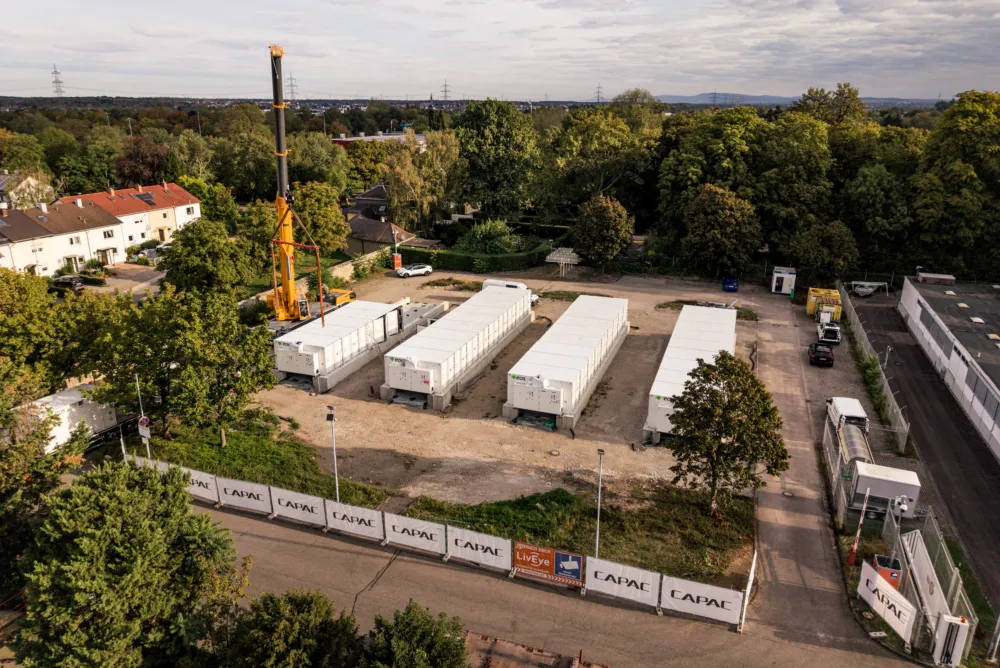
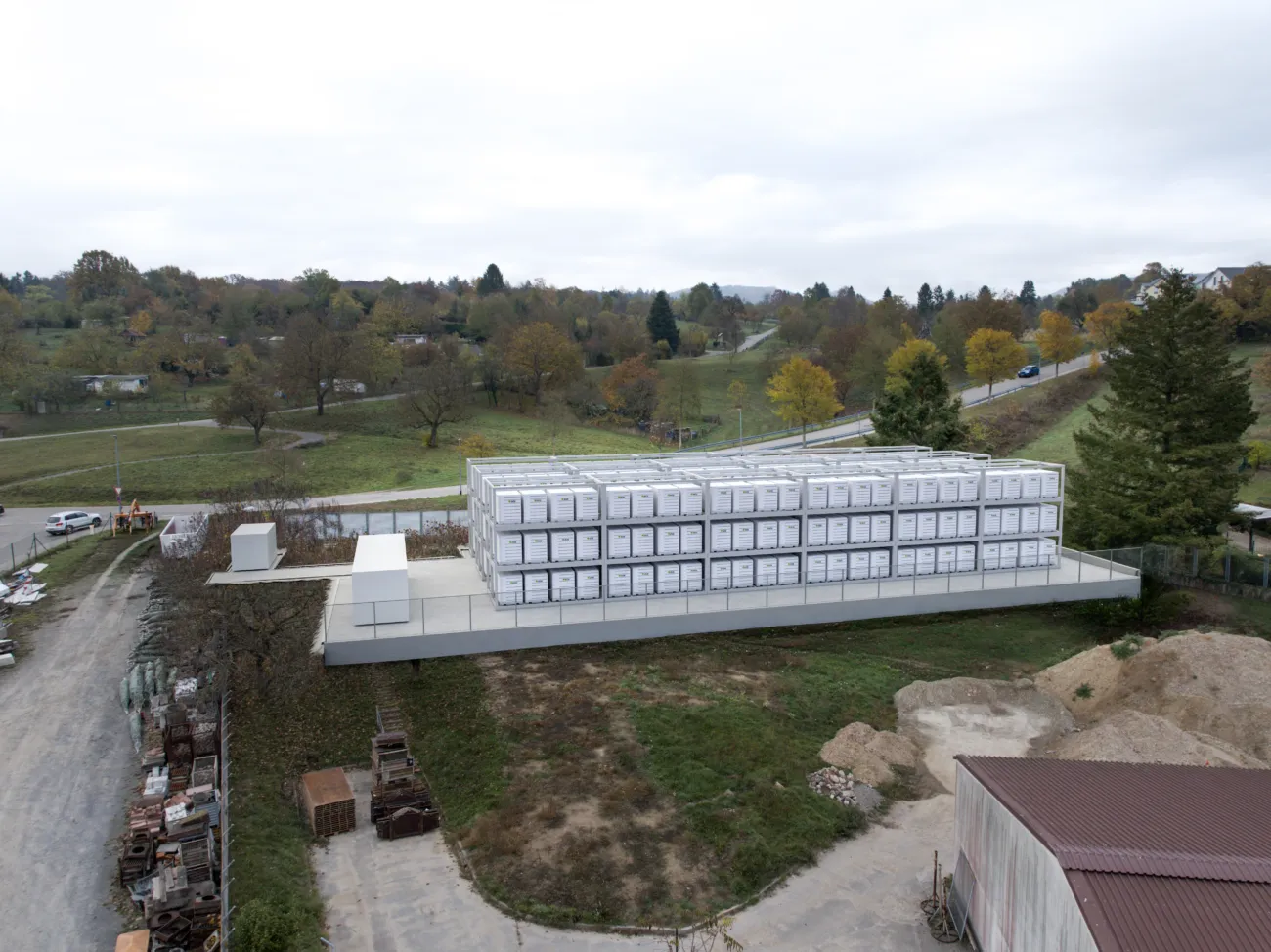
Gaggenau, November 10, 2026 – Stadtwerke Gaggenau and CAPAC AG from Bruchsal are planning a stackable large-scale battery storage system in Gaggenau based on Eos zinc halide technology. The system will have a capacity of 7.5 megawatts (MW) and a storage capacity of 30 megawatt-hours (MWh), making it a four-hour storage facility. CAPAC AG will act as general contractor for the construction, implementation and long-term operations management of the system.
Stadtwerke Gaggenau and JP Holding are jointly investing around 15.2 million euros in the project. As general contractor, CAPAC AG will be responsible for technical planning, procurement, system integration and construction through to commissioning. Construction is scheduled to begin in 2027, with commissioning planned for 2028.
“The project is an important building block for a secure power supply in the region. Thanks to the stackable design, we can use the available space particularly efficiently,” says Benjamin Henecka, Member of the Management Board of CAPAC AG. “Together with Stadtwerke Gaggenau and JP Holding, we are creating additional flexibility for the power system and making a long-term investment in local energy infrastructure.”
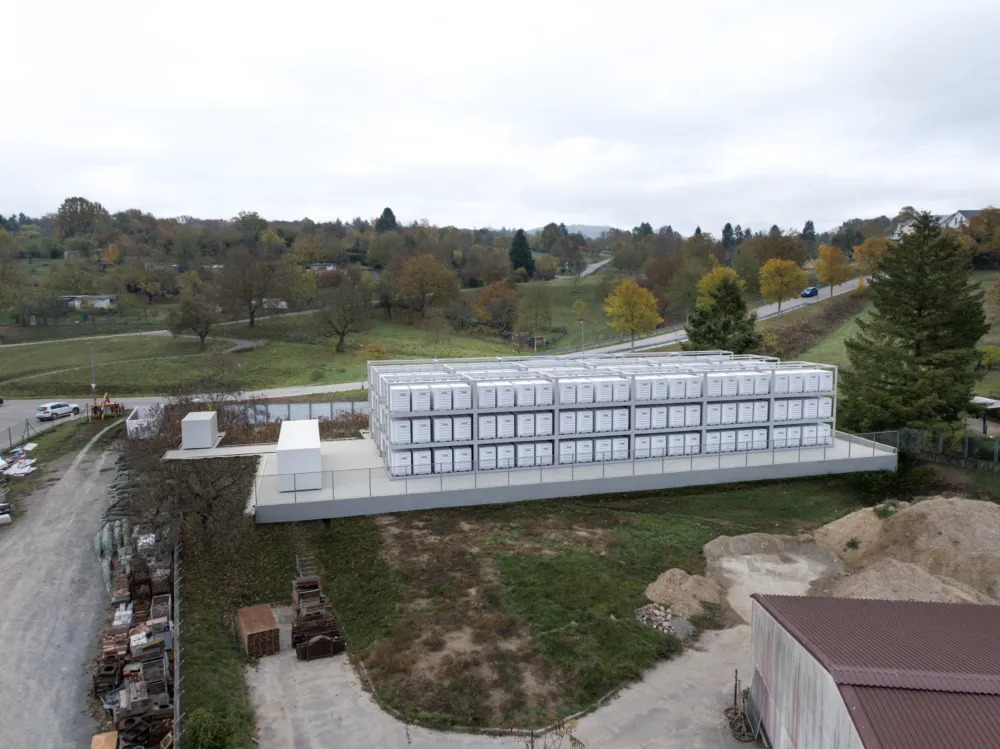
Stackable Design Makes Use of Both Footprint and Height
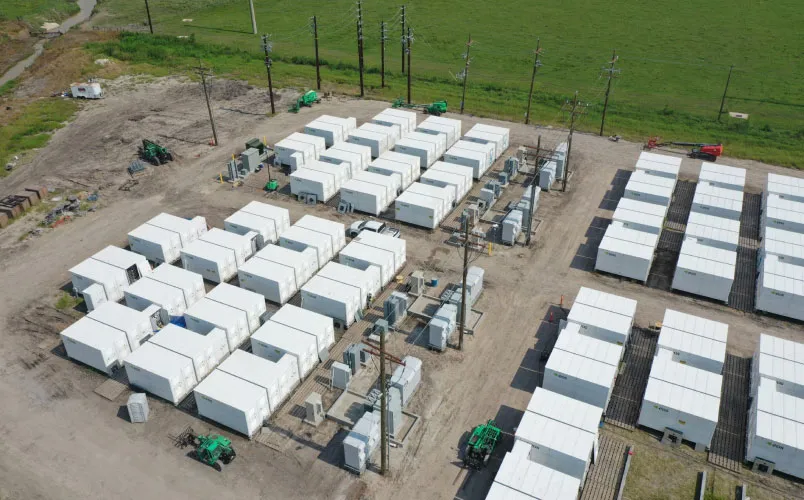
The project relies on the modular Eos Indensity storage architecture. Its units can be arranged side by side and on top of each other in a steel support structure. This allows the system to make the most efficient use of the available footprint and building height. This is made possible by the water-based zinc halide technology. Because its electrolyte does not burn, there is no risk of fire or explosion, unlike with lithium-ion systems, and the units can be placed close together. The technology also does without critical raw materials such as lithium, cobalt, vanadium and rare earths.
In operation, the batteries work between –20 and +50 °C without active cooling, which reduces operating costs and technical complexity. They are designed for storage durations of four to sixteen hours and frequent charge and discharge cycles. Over a service life of 25 years, they lose no more than 3.6 percent of their capacity.
“With this large-scale battery storage system, we are realizing one of the most significant infrastructure projects in the history of Stadtwerke Gaggenau. It is a milestone for the transformation of our company and a forward-looking step toward making the energy supply more sustainable, flexible and efficient. In doing so, we are investing not only in the energy transition, but also in the future of our region,” says Thorsten Ruprecht, Managing Director of Stadtwerke Gaggenau.
Google and the Pentagon Also Rely on Eos
Stadtwerke Gaggenau is home to one of the largest battery storage projects of this technology in Europe. In the United States, demanding infrastructure projects are already relying on the technology.
Google, for example, is planning an Eos large-scale battery storage system in West Virginia with 10 MW of power and 100 MWh of capacity. It is intended to provide additional firm capacity for the regional power grid, which also supplies Google data centers.
In addition, the Pentagon has commissioned Eos as part of the “Golden Dome” missile defense program. The technology is intended to secure the energy supply at a critical defense site.
More Flexibility for a Renewable Power System
The large-scale battery storage system in Gaggenau is designed to absorb electricity when wind and solar generate a lot of power and release it again when needed. In this way, it helps to bring fluctuating generation into line with consumption. Economically, the project is set up as a standalone infrastructure investment. It is expected to generate revenue primarily on the day-ahead and intraday markets and through ancillary services.
“With this investment, Stadtwerke Gaggenau is also positioning itself for the future. As renewable energy continues to expand, battery storage will become increasingly important. That is why it is right and good that our municipal utility is engaging early with such technologies and new business areas,” says Lord Mayor Michael Pfeiffer.
Visualization