Technology
Zinc battery technology, built for safety and a long life
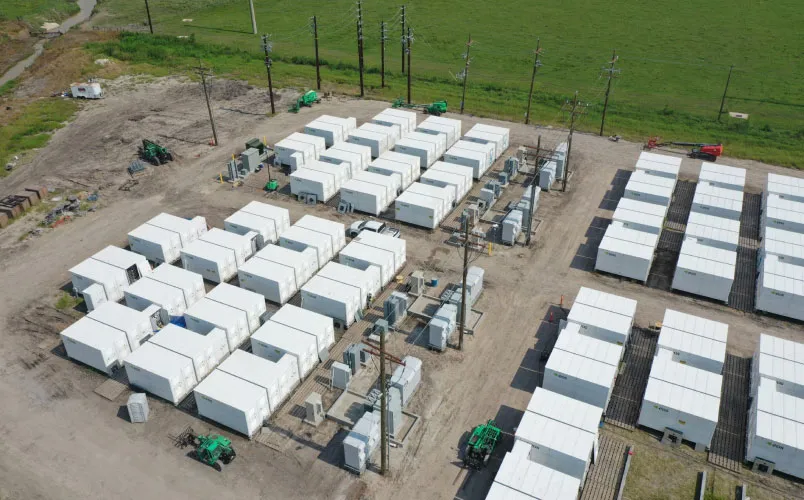
A storage plant is a long-term investment. Its value depends on whether technology, operation and integration work together reliably for decades. That is why CAPAC builds on Eos’ water-based zinc halide battery technology: it cannot burn, needs no heating or cooling and is designed for 4 to 16+ hours of storage.

Six advantages that matter for your project
Six properties define the zinc halide technology. Each one has a direct effect on the economics, safety and day-to-day operation of your project.
-
Long-term economics
Stable, predictable storage costs over decades.
- Very low degradation: max. 3.6 % over 25 years (Z3, under specified operating conditions)
- Ageing depends on cycles, not on temperature or calendar time
- Low maintenance: no electrolyte replacement or refilling
In short
Stable costs you can build a reliable LCOS model on.
-
Inherent safety
The water-based chemistry cannot burn.
- Non-flammable chemistry with no combustible components
- No risk of thermal runaway
- Non-toxic, corrosion-resistant materials
In short
Safety built into the chemistry, which makes siting and permitting easier.
-
Temperature-stable Operation
Reliable outdoor operation across a wide temperature range.
- Operates from −20 °C to +50 °C
- No active cooling
- No active heating
In short
Less technology on site, lower infrastructure and operating costs.
-
Sustainable materials
Made from available, recyclable and conflict-free materials.
- Fully recyclable system components
- No lithium, cobalt or vanadium
- No rare earths or conflict minerals
In short
Independence from critical raw materials, and a solid basis for ESG reporting.
-
Proven at scale
Tested at industrial scale and validated by field data.
- More than 5 GWh of energy discharged
- More than 3 million full cycles completed
- More than 16 million operating hours across more than 20,000 installed units
In short
Reliability backed by field data, not lab promises.
-
Flexible configuration
Variable storage durations and project sizes.
- Typically configured for 4 hours, extendable to 16+ hours
- Scalable in power (MW)
- Scalable in capacity (MWh)
In short
One technology for a wide range of use cases.
Technology Comparison:
Zinc vs. lithium-ion
Lithium-ion and zinc halide batteries are built for different goals. The difference lies less in individual figures than in the underlying system design. Comparing both along the same six criteria makes this clear.
Eos zinc (CAPAC)

Long-term economics
Max. 3.6 % degradation over 25 years (Z3); ageing driven by cycles; no electrolyte replacement

Inherent safety
Non-flammable, water-based electrolyte; no thermal runaway

Temperature-stable operation
−20 °C to +50 °C without cooling or heating

Sustainable materials
Recyclable; no lithium, cobalt, vanadium or rare earths

Proven at scale
>5 GWh discharged, >3 million cycles, >16 million operating hours

Flexible configuration
4 to 16+ hours; scalable in MW and MWh
Lithium-ion
Long-term economics
Degradation depends on cell chemistry and operating profile, often driven by calendar ageing; repowering may be needed earlier
Inherent safety
Flammable cell components depending on chemistry; project-specific fire protection required
Temperature-stable operation
Active thermal management usually required
Sustainable materials
Depends on lithium and graphite, and on nickel and cobalt depending on chemistry
Proven at scale
Established in the market with a large installed base; performance depends on cell chemistry
Flexible configuration
Often deployed for 1–2 hours
In short
For short, high-power applications, lithium-ion is often the right choice. Where storage runs for four hours or more, has to last for decades or sits close to people and buildings, zinc plays to its strengths.
How the zinc halide battery works
The differences in the comparison follow directly from the chemistry: the battery stores energy by depositing zinc metal from a stable, water-based zinc halide electrolyte.
-
Basic principle
When charging, metallic zinc is deposited on an electrode. When discharging, it dissolves again and releases electrical energy.
- Reversible zinc deposition stores the energy
- Water-based electrolyte as the reaction medium
- No flammable organic solvents
In short
A stable, non-flammable storage process, which is why the system is inherently safe.
-
Cell and module design
Built for industrial robustness and a long life.
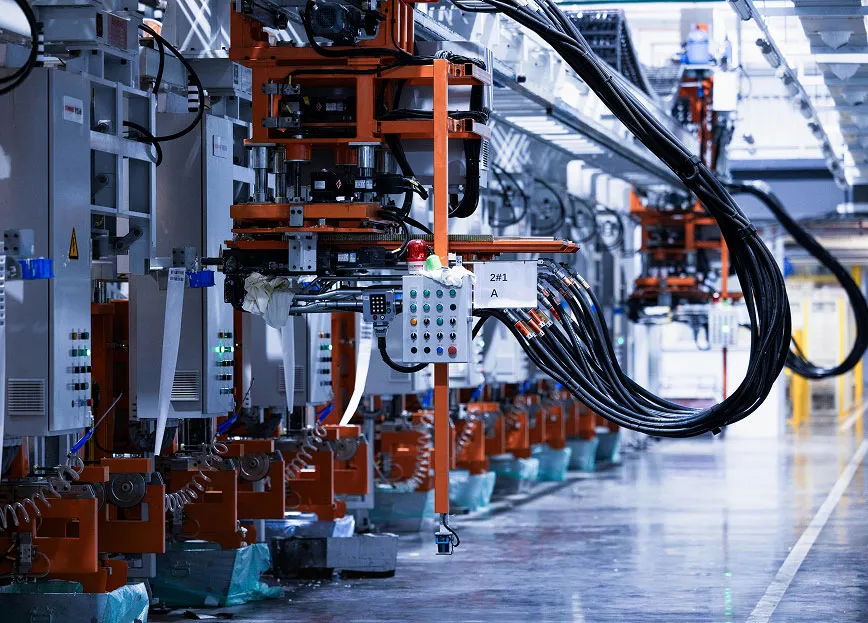
- Bipolar electrodes with a conductive polymer structure
- Carbon-based cathode
- Sealed polymer housing with fewer cells (Z3 generation)
In short
A robust, simple design for low-maintenance operation over decades.
-
What it means for your project
The chemistry directly affects planning, operation and economics.
- No active cooling or heating
- No electrolyte replacement or refilling over the system’s life
- Stable cycle performance in multi-hour operation
Integrated into CAPAC BESS, the technology is used for stand-alone storage, co-location with solar and wind, behind-the-meter at industrial sites and data centres.
In short
Simple, stable technology for commercially robust storage projects.
Contact Us
Discuss Your Project
Battery storage systems are long-term infrastructure investments. Their success depends on how well technology, system design, safety and economics work together.
In an initial consultation, we clarify:
- Optimal storage duration and sizing
- Technical and regulatory requirements
- Economics and revenue potential
- Suitable project and delivery structure
You get a sound basis for your investment decision and the next steps of your project.