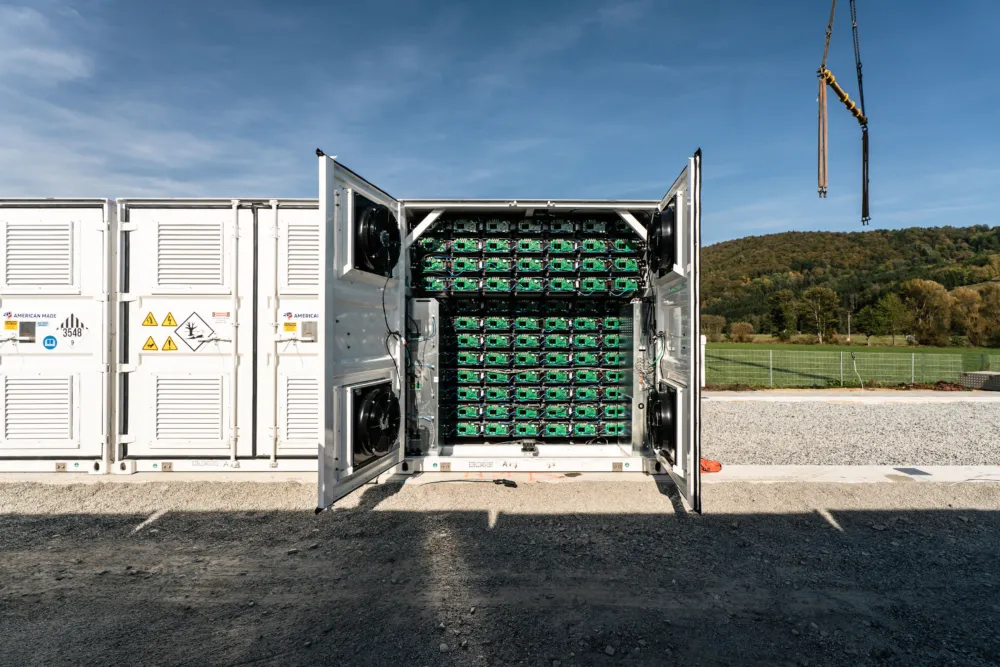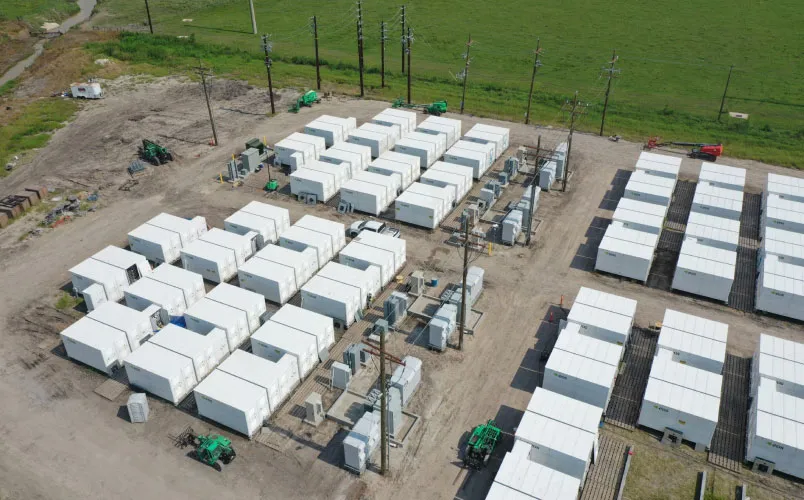
Market, regulation and geopolitics: what influences storage investments
 Battery storage systems are infrastructure investments with long capital commitment. Their profitability results from the interplay of technology, storage duration, market price structure, regulatory framework and global supply chains.
Energy prices, grid fee systems, support schemes and commodity markets shape the net present value, risk profile and financeability of a project. For investors and operators, this gives five assessment dimensions:
- Market volatility and revenue mechanisms in the electricity and flexibility markets
- Regulatory framework in the DACH region
- Raw material availability and geopolitical concentration risks
- Safety and permitting requirements
- Impact on financing, insurability and ESG rating
In short
Market and regulatory framework as NPV factors
The profitability of a storage system results from revenue sources, regulatory requirements and the long-term stability of the technology used.
In the DACH region, the revenue structure comes from electricity price volatility, flexibility remuneration, the grid fee system and the regulatory treatment of storage. As the share of renewables grows, so does the value of shifting energy over time for system stability and revenue optimisation. For the assessment by net present value and total cost of ownership (TCO), these factors matter most:
- Liquidity and price dynamics in electricity and balancing markets
- Design of capacity-based grid fees
- Regulatory clarity for storage in the grid and market context
- Permitting requirements and safety regulations
- Raw material availability and long-term supply chain stability
They directly determine cash flow stability, risk profile and financing costs.
Regulation, safety and insurability
Safety requirements and permitting processes have become investment factors in their own right. Fire protection concepts, building regulations, separation distances and insurers’ assessments influence project duration, site selection and cost of capital.
Zinc-based storage systems have a temperature-stable, non-flammable material base. This simplifies permitting, reduces insurance risk premiums and makes project delivery easier to plan. Financing terms improve, schedules become more reliable and the NPV forecast gains stability.
Geopolitics and raw material structure
The extraction and processing of strategic metals are in part highly concentrated geographically. Price swings, trade restrictions and political dependencies affect procurement costs as well as later replacement and expansion investments.
Lithium-ion systems rely on raw materials with partly highly concentrated extraction and processing structures. This increases price volatility, supply chain risk and uncertainty around long-term follow-on investments.
Zinc-based systems, by contrast, use raw materials that are more widely available and less geopolitically concentrated. Procurement costs are easier to forecast, structural supply chain risks fall and long-term investment security increases. This affects raw material price exposure, ESG rating and the long-term robustness of the NPV.
Technology decisions therefore determine not only technical performance but the entire risk and value structure of an infrastructure project.
Conclusion
- Market, regulatory and supply chain structures are an integral part of the NPV assessment of storage projects.
- Safety concept, permitting capability and raw material structure act directly on financing costs and total cost of ownership.
- Through regulatory robustness, a non-flammable material base and lower raw material concentration, zinc-based storage systems offer structural advantages for long-term stable infrastructure investments.